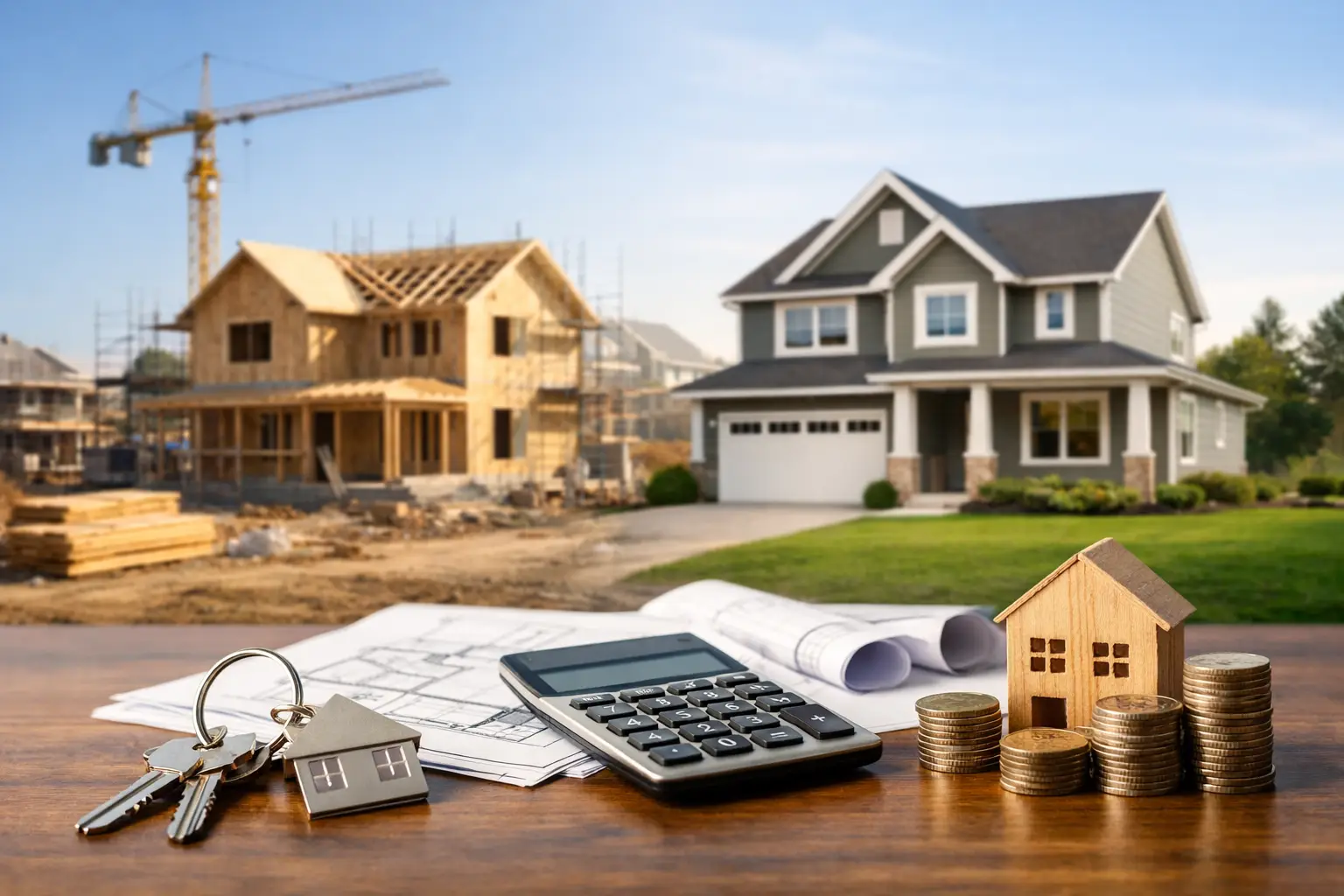
If you are planning to build a home, buy land and build, or replace short-term construction debt with a long-term mortgage, one question comes up fast: what is construction to permanent financing? In simple terms, it is a loan that starts as a construction loan and then converts into a permanent mortgage once the home is complete. Instead of closing on two separate loans, you close once, build, and transition into long-term financing under a single structure.
That sounds straightforward, but the details matter. The way the loan is underwritten, how the land value is treated, what documentation the lender wants, and how the finished value is calculated can make a major difference in how much you can borrow and how smoothly your project moves.
What is construction to permanent financing, really?
A construction-to-permanent loan is designed for borrowers who want to finance both the build phase and the long-term mortgage in one package. During construction, funds are typically released in stages, often called draws, as the project progresses. After the home is completed and the lender confirms the work is done according to plans and budget, the loan converts to a standard mortgage.
For many borrowers, the biggest benefit is that there is one closing instead of two. With a construction-only loan, you usually need one loan for the build and then a separate refinance into a permanent mortgage after completion. That can mean a second set of closing costs, another approval process, and added risk if market conditions change before the project is done.
With construction-to-permanent financing, much of that long-term financing risk is addressed upfront. You know the mortgage structure before construction begins, which can provide more certainty when you are budgeting a custom home or major residential project.
How the loan works from start to finish
The process usually starts with pre-approval based on your income, credit, assets, equity position, and project details. The lender will want to review plans, specifications, a realistic construction budget, your builder information, and the proposed timeline.
Once approved, the loan closes before construction begins. From there, the construction portion of the loan funds through draw requests as work is completed. You are generally not receiving the full loan amount into your account at once. The lender controls disbursements to help ensure the project stays aligned with the approved budget and build schedule.
During the build phase, borrowers often make interest-only payments on the amount that has been drawn, not necessarily on the full loan amount. That can help with cash flow while the home is under construction. When the project is finished and final conditions are met, the loan converts to the permanent phase. At that point, you begin making regular mortgage payments based on the terms of the permanent loan.
That is the core answer to what is construction to permanent financing, but the practical value comes from how it solves common problems for California borrowers.
Why borrowers choose this structure
The main reason is efficiency. One closing can mean lower total closing costs compared with taking out a separate construction loan and then refinancing later. It can also reduce paperwork and save time.
The second reason is rate and approval certainty. Depending on the program, some borrowers can lock in key permanent financing terms earlier in the process. That matters if you are concerned about rates moving higher before your home is finished.
The third reason is simplicity. Building a home already involves permits, plans, contractors, inspections, and schedule pressure. Reducing the financing complexity can make the project easier to manage.
That said, this structure is not automatically the best fit for every project. If your plans are still changing, your builder is not selected, or your project is not fully documented, a lender may not be ready to approve a one-time close structure yet. Construction lending rewards preparation.
What lenders look at when approving construction to permanent financing
Lenders do not underwrite these loans the same way they underwrite a basic purchase mortgage. They are evaluating you, the property, and the project itself.
First, they review borrower strength. That includes credit scores, income, reserves, debt-to-income ratio, and overall financial profile. Strong borrowers generally have more options.
Second, they evaluate the project. The lender wants to see plans, specifications, a clear construction contract or cost breakdown, and a realistic timeline. If the numbers do not make sense or the plans are too incomplete, the loan can stall.
Third, they focus heavily on value. In many cases, the loan is based on the future appraised value of the completed home, not just the current land value or current condition. This is one of the most important features in residential construction lending because it can support higher leverage than a borrower might expect from a standard bank approach.
That future-value analysis is especially important in California, where land prices, build costs, and finished home values can vary dramatically by market.
The role of land in the transaction
One of the biggest questions borrowers ask is how owned land fits into the loan. If you already own the lot, that land equity may count toward your down payment or overall equity position. If you are buying the lot and building at the same time, the lender may structure the loan to cover both the land acquisition and construction costs.
This is where specialized construction lending matters. Not every lender handles land-plus-construction transactions well, and not every lender gives the same credit for existing equity in the lot. The structure can affect how much cash you need to bring in.
For borrowers trying to maximize leverage, especially on owner-occupied projects, the right loan program can make a significant difference.
What is construction to permanent financing compared with construction-only loans?
The difference comes down to whether your long-term mortgage is built into the same transaction.
With a construction-only loan, you borrow money for the build phase only. When construction is complete, you pay off that loan with a separate mortgage. That second loan means another closing, another underwriting review, and exposure to future market conditions.
With construction-to-permanent financing, the conversion is built in from the beginning. You close once, complete the home, and move into the permanent mortgage phase without taking out a separate replacement loan.
Construction-only loans can still make sense in some cases. They may fit borrowers who expect a major change in income, plan to sell quickly, or need a short-term structure for a more complex scenario. But for many owner-occupied residential projects, a one-time close loan is the cleaner option.
Common challenges borrowers run into
The most common issue is incomplete project readiness. Borrowers often start shopping for financing before plans, costs, permits, or builder details are far enough along. That can create delays or lead to unrealistic assumptions about loan size.
Another challenge is misunderstanding appraised value. Borrowers may assume the lender will simply finance the full build cost if the project feels reasonable. In reality, the lender is looking at the completed value, the construction budget, and program guidelines together. If the appraisal comes in lower than expected, the structure may need to change.
Documentation is another pressure point. Self-employed borrowers, owner-builders, and clients with more complex income often need a lender that understands how to present the file correctly. General mortgage channels do not always handle construction lending well, especially when the project falls outside standard cookie-cutter guidelines.
When this loan makes the most sense
Construction-to-permanent financing is often a strong fit if you are building a primary residence, buying a lot and building shortly after closing, or replacing uncertainty with a known long-term mortgage plan. It is also attractive if you want to avoid paying for two separate closings.
It tends to work best when your project is well defined. That means completed or near-completed plans, a realistic budget, a qualified builder or owner-builder strategy, and a clear understanding of your cash contribution and reserves.
For California borrowers, where project costs are high and lender overlays can be restrictive, working with a specialist matters. California Construction Loans helps borrowers navigate one-time close options, finished-value underwriting, lot equity scenarios, and residential construction structures that many banks simply do not offer well.
If you are asking what is construction to permanent financing, the better question may be whether your project is structured the right way to qualify. The loan itself is not the hard part. The hard part is matching the right program to the property, budget, timeline, and borrower profile. When that is done correctly, building becomes a lot more practical and a lot less uncertain.
If you are serious about building, get clear on your plans early, know your numbers, and treat financing as part of the project strategy, not an afterthought. That is usually where the best outcomes begin.
