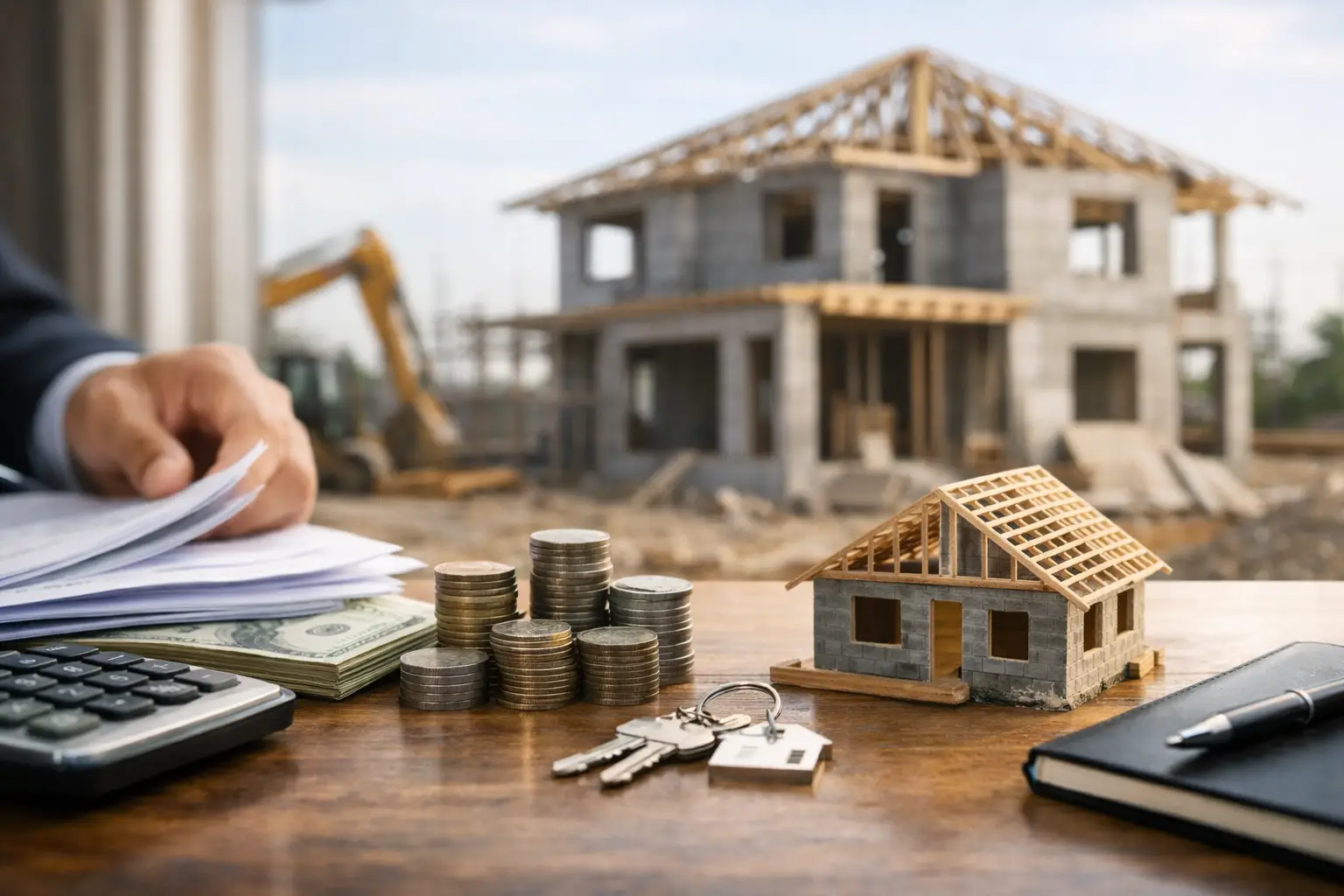
A half-built home creates a financing problem fast. The original budget may be exhausted, the first lender may be out of the deal, and the property may not qualify for a standard mortgage because it is not yet complete. If you are trying to figure out how to finance unfinished construction, the path forward usually depends on what has already been built, how much work remains, and whether the project still makes sense based on today’s costs and value.
This is where many borrowers lose time with the wrong lender. Traditional banks often struggle with incomplete residential construction, especially when plans changed, permits need updating, or the file requires a finished-value review instead of a simple as-is valuation. A specialized construction lender looks at the project differently. The goal is not just to fund what is there now. The goal is to structure the financing needed to get the home finished.
How to finance unfinished construction in California
In California, unfinished construction financing is rarely a one-size-fits-all loan. Some borrowers need to replace a construction loan that ran short. Others started with cash and now need funds to complete the project. Some inherited a stalled build, bought a partially completed property, or hit a cost overrun during a major remodel. The right solution depends on occupancy, current progress, remaining budget, property type, and how the completed home will appraise.
The key issue is usually lender confidence. A lender wants to know the project is viable, permitted, and economically sound. That means they will review the existing improvements, plans and specs, contractor details, remaining timeline, and total cost to complete. In many cases, the strongest loan structures are based partly on the future completed value of the property, not just its current unfinished state.
That distinction matters. If a lender only underwrites the property as it sits today, leverage may be too low to solve the problem. If the lender can underwrite toward the as-completed value, the financing may cover payoff, remaining construction costs, reserves, and sometimes soft costs depending on the program.
What lenders look at before approving funding
Unfinished construction is financeable, but it has to be documented properly. Lenders typically start by asking a simple question: can this project be completed on time and on budget from this point forward? The file has to support that answer.
First, the lender will review the current stage of construction. A project that is framed, dried in, and properly permitted is viewed very differently than a site with partial foundation work and expired approvals. The more uncertainty in the field, the tighter the underwriting.
Second, they will review plans, specifications, permits, and cost-to-complete figures. If the original budget is outdated, a revised construction cost breakdown may be required. In California, that often means accounting for labor cost changes, material price increases, and local permit or utility requirements that were not part of the original plan.
Third, the lender evaluates who is completing the project. A licensed general contractor is usually the easiest path. Owner-builder financing may still be possible, but the standards are often stricter because unfinished projects carry more execution risk. If a prior contractor walked off the job, the new contractor’s bid and experience become especially important.
Finally, the lender looks at borrower strength. Credit, income, liquidity, equity position, and reserves all matter. Even when a property has strong potential value, lenders want to see that the borrower has the capacity to manage contingencies.
The most common loan options
The best loan for unfinished construction depends on whether you are refinancing an existing project, purchasing a stalled property, or trying to complete work on a home you already own.
A construction completion loan is often the most direct solution. This type of financing is designed to pay off existing debt if needed and fund the remaining work through a controlled draw process. It is commonly used when the original construction financing fell short or the project stalled before completion.
A construction-to-permanent loan may work if the project can be re-underwritten as a full construction file and the borrower wants one closing for both the remaining build period and permanent mortgage phase. This structure can reduce closing friction and create a cleaner exit once the home is complete.
A construction-only loan may make more sense for borrowers who want flexibility to refinance later, sell the property after completion, or use a short-term structure while they finish the build. This is often used for investment property or speculative residential construction.
For major remodels that left part of the home incomplete or uninhabitable, a renovation or major remodel construction loan may be the right fit. The distinction here is important. If the house still exists but major systems, additions, or structural work remain unfinished, the financing may be treated differently than ground-up construction.
Some borrowers also use land equity or existing home equity to support the transaction. If you own the lot free and clear, or if there is significant equity in the property despite the incomplete work, that equity can strengthen the structure and improve available leverage.
Appraised value can make or break the deal
One of the biggest misunderstandings around unfinished construction financing is valuation. Many borrowers assume the lender will simply compare the money already spent to the current condition of the property. That is not how strong construction lending programs are structured.
What matters more is often the as-completed appraisal. That appraisal estimates what the property should be worth once construction is finished according to approved plans and specifications. For California borrowers building custom homes or high-value primary residences, this approach can materially improve loan sizing.
Still, there is a trade-off. A strong future value helps, but only if the remaining construction budget is realistic and the plans support the valuation. If the file shows a beautiful finished home but the cost breakdown is thin or incomplete, underwriting will tighten quickly. The lender has to believe the project can actually reach the projected finish line.
Problems that can complicate approval
Not every unfinished project is equally financeable. Some issues do not kill the deal, but they do require a more experienced lender and a better-prepared file.
Expired permits are a common problem. So are contractor disputes, mechanic’s liens, missing plans, incomplete budgets, and prior work that does not match approved drawings. Projects with long periods of inactivity can also raise concerns because lenders want to know whether any completed work has deteriorated or whether code requirements have changed.
There is also the issue of over-improvement. If construction costs have climbed far beyond neighborhood support, the finished value may not justify the additional investment. In those cases, financing may still be possible, but loan proceeds may not cover the full gap. Borrowers sometimes need to bring in additional cash or reduce the project scope.
This is why early review matters. A lender that understands residential construction can spot weak points before the file reaches underwriting and help restructure the deal around what is actually financeable.
How to improve your chances of getting approved
If you want a realistic answer on how to finance unfinished construction, come to the process with a complete package. That means current plans, permits, contractor bids, a clear cost-to-complete breakdown, photos of existing progress, and a written explanation of why the project is unfinished. Lenders do not expect perfection, but they do expect clarity.
It also helps to know your numbers before applying. Be prepared to show current loan balances, cash already invested, estimated remaining costs, and how long the completion should take. If the property will be owner-occupied, say so clearly. Owner-occupied residential projects often have more favorable financing options than investment scenarios.
Strong liquidity can also help. Even when a loan covers most of the remaining work, lenders like to see reserves for change orders, delays, or unforeseen repairs. Construction rarely moves in a perfectly straight line, especially on a project that has already hit trouble once.
For California borrowers, program fit matters just as much as borrower strength. The wrong lender may decline the file simply because they do not understand partial construction, owner-builder scenarios, or finished-value-based underwriting. California Construction Loans works with borrowers facing exactly these issues and helps structure financing around the real condition of the project, not just the easiest box to check.
If your project is incomplete, the next step is not guessing. It is getting the file reviewed by a lender who knows how to assess remaining work, future value, and the loan options that can get the property finished. A stalled project is frustrating, but it is often more financeable than borrowers think once the right structure is in place.
The sooner you get clear numbers and a lender who understands construction risk, the sooner an unfinished job can become a completed home.


