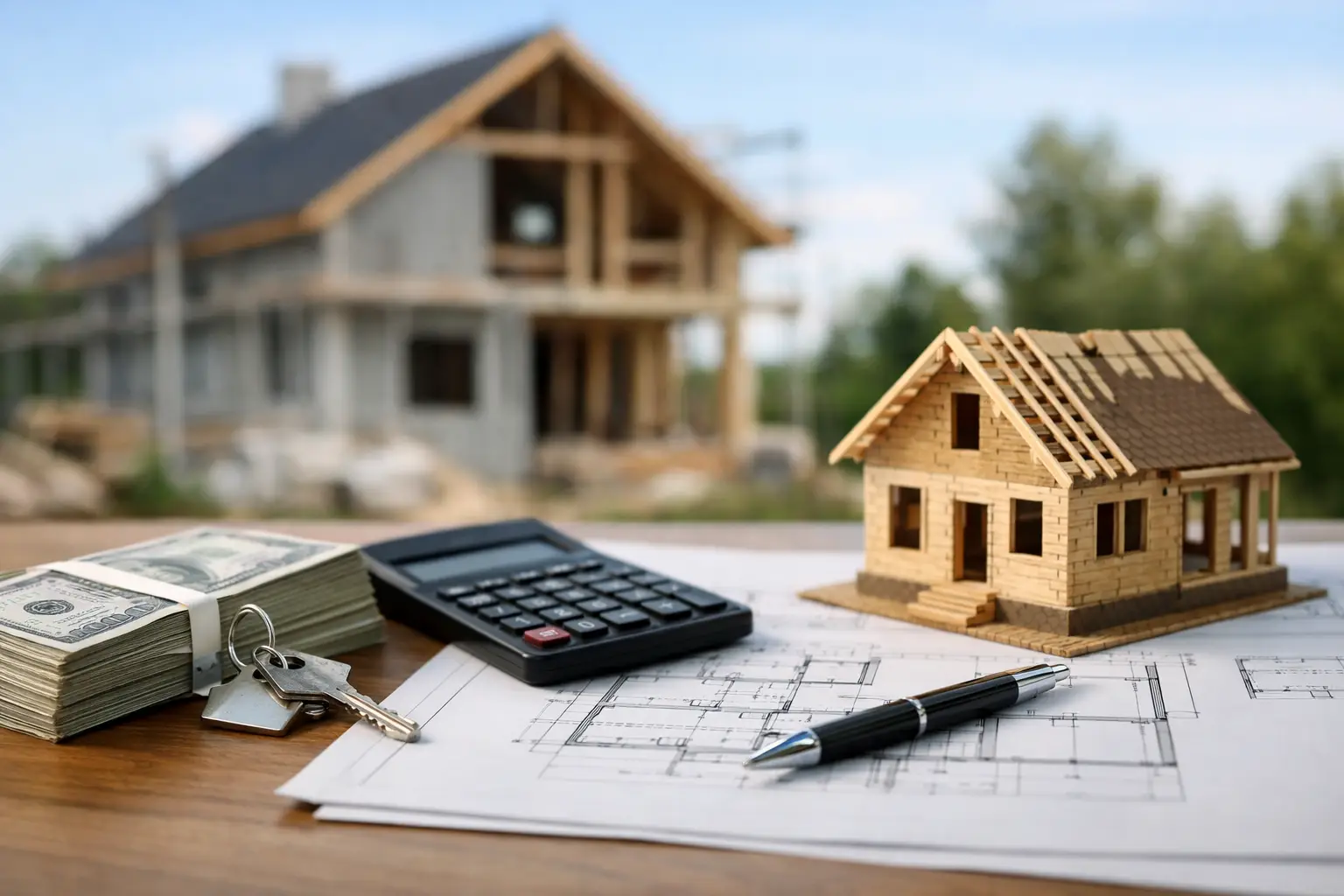
The biggest mistake borrowers make when figuring out how to finance custom home build projects is assuming it works like a regular mortgage. It does not. A custom build is financed in stages, underwritten with more documentation, and judged not just on your income and credit, but also on the land, plans, budget, builder, and finished value of the home.
That difference is exactly why many borrowers hit a wall with big banks. A lender that handles standard purchase loans may not know how to structure land equity, review a construction budget, or give proper credit for what the home will be worth when it is complete. If you are building in California, the financing strategy matters as much as the design.
How to finance custom home build the right way
The right financing structure depends on where you are in the process. Some borrowers already own the lot. Others need to buy land and build at the same time. Some are hiring a licensed general contractor, while others want to act as an owner-builder. Those details affect loan eligibility, down payment requirements, and even which lenders will consider the file.
In most cases, a custom home is financed with either a one-time close construction-to-permanent loan or a construction-only loan. A one-time close loan combines the construction phase and the permanent mortgage into a single closing. That can reduce transaction costs and eliminate the risk of having to requalify after the house is finished. A construction-only loan funds the build first, then requires a separate refinance or payoff into a permanent mortgage when construction is done.
For many owner-occupied borrowers, the one-time close option is the cleaner solution. It simplifies the process and can provide more certainty up front. Construction-only financing can still make sense, especially for borrowers who expect to refinance under better terms later, or for projects that need more flexibility during the building phase.
Start with the total project cost, not just the build cost
One reason borrowers underestimate financing needs is that they focus only on the contractor's number. The real loan structure is based on total project cost. That usually includes land value or land payoff, site work, plans, engineering, permits, utility connections, hard construction costs, contingency reserves, interest reserves in some cases, and closing costs.
If you already own the lot, that equity may serve as part or all of your required down payment. This can be a major advantage. Borrowers who bought land years ago at a lower price, or who have paid it down significantly, may be in a much stronger financing position than they realize.
If you still need to buy the lot, the lender will evaluate the land purchase along with the build. That means the timing, appraisal approach, and budget have to align from the start. A poorly timed land purchase can limit options later if you do not leave enough room for construction financing.
The appraisal is based on the finished home
This is one of the most important concepts in custom home lending. Construction lenders typically underwrite to the future value of the property after completion, not just the current land value. That is often called the as-completed or finished-value appraisal.
Why does that matter? Because a finished-value approach can increase leverage and make a custom build possible where a standard land loan or cash-only approach would fall short. If the plans, specs, and market support a strong future value, the financing can reflect that.
Of course, this cuts both ways. If the budget is high but the finished value does not support it, the borrower may need to bring in more cash, reduce the scope, or rethink the project. This is where specialized construction lending becomes critical. Proper pre-approval can expose valuation issues before you are deep into plans and contracts.
What lenders look for when approving a custom build
Borrowers often ask whether custom home financing is harder to qualify for than a regular mortgage. The honest answer is yes, but not always for the reasons people expect. Credit, income, assets, and debt ratios still matter. What changes is the level of project review.
The lender wants to see that the home can actually be completed on time and within budget. That means they may review plans, specifications, a detailed cost breakdown, the construction contract, the builder's license and experience, and the project timeline. If the borrower is acting as an owner-builder, the review is usually stricter because the completion risk is higher.
Liquidity matters too. Even if the loan funds the construction, borrowers usually need reserves or access to cash for change orders, unexpected site conditions, permit delays, or cost overruns. A tight budget with no contingency is one of the fastest ways to create financing problems mid-project.
How draw schedules work
Construction loans are not funded as one lump sum at closing. Funds are released in stages through a draw schedule as work is completed. The lender or an inspector typically confirms progress before each draw is disbursed.
That protects both the borrower and the lender, but it also means your builder must be comfortable working within a draw system. Some contractors have strong cash flow and understand the process. Others expect large upfront payments that do not fit lender guidelines. If your builder has never worked with a construction lender, that issue needs to be addressed early.
The payment structure during construction can vary. In many cases, borrowers make interest-only payments based on the amount disbursed, not the full loan amount. Once the home is complete, the loan may convert into the permanent mortgage if it is a one-time close structure.
Choosing the best loan structure for your project
If your goal is to build a primary residence and keep the financing process efficient, a one-time close construction-to-permanent loan is often the first option to examine. It is especially useful for borrowers who want one approval, one closing, and a defined path from dirt to permanent financing.
If the project is unusual, the timeline is less predictable, or the exit strategy may change, a construction-only loan can offer more room to maneuver. The trade-off is that it usually creates a second financing event later, with added cost and qualification risk.
For owner-builders, financing is possible, but program availability is narrower. Lenders want to know whether the borrower has the experience, systems, and budget discipline to manage the build. Some lenders will not allow owner-builder projects at all. Others will, but with lower leverage, more reserves, and tighter oversight.
That is why loan shopping based only on rate misses the point. Structure matters more than headline pricing. A lower rate does not help if the loan does not fit the project.
Common mistakes when figuring out how to finance custom home build plans
The most common mistake is waiting too long to talk with a construction lender. Borrowers often spend months on design before confirming loan size, appraisal support, or builder eligibility. By the time financing questions come up, the plans may already be out of sync with the budget.
Another common problem is assuming land equity automatically solves every down payment issue. It helps, often significantly, but the lender still has to support the total structure based on credit, income, reserves, and finished value.
Borrowers also get into trouble when they choose a builder before understanding lender requirements. A great builder who does not meet documentation standards can delay approval or force a loan restructure.
In California, timing can create added pressure. Permit delays, hillside issues, utility costs, wildfire-zone considerations, and local building requirements can affect both budget and underwriting. A financing plan that looks fine on paper may need adjustments once those realities show up.
What to do before you apply
Before applying, get clear on four things: your land position, your preliminary budget, your plans and specs status, and who will build the home. You do not always need every item fully finalized, but the more complete the project package, the more accurate the loan guidance will be.
You should also be realistic about monthly payment comfort after the home is finished. Many borrowers focus on getting through construction and forget that the permanent loan has to fit long term. Building the exact house you want is only a good decision if the final payment still works for your life.
This is where a specialized advisor adds real value. At California Construction Loans, we help borrowers look at leverage, finished-value potential, land equity, and loan structure before they lock themselves into the wrong path.
If you are serious about building, treat financing as part of the design process, not an afterthought. The right loan can make the project feasible, smoother, and less expensive to carry. The wrong one can stall a good project before the foundation is even poured.
A custom home should be built around the way you want to live. The financing should be built with the same level of intention.
