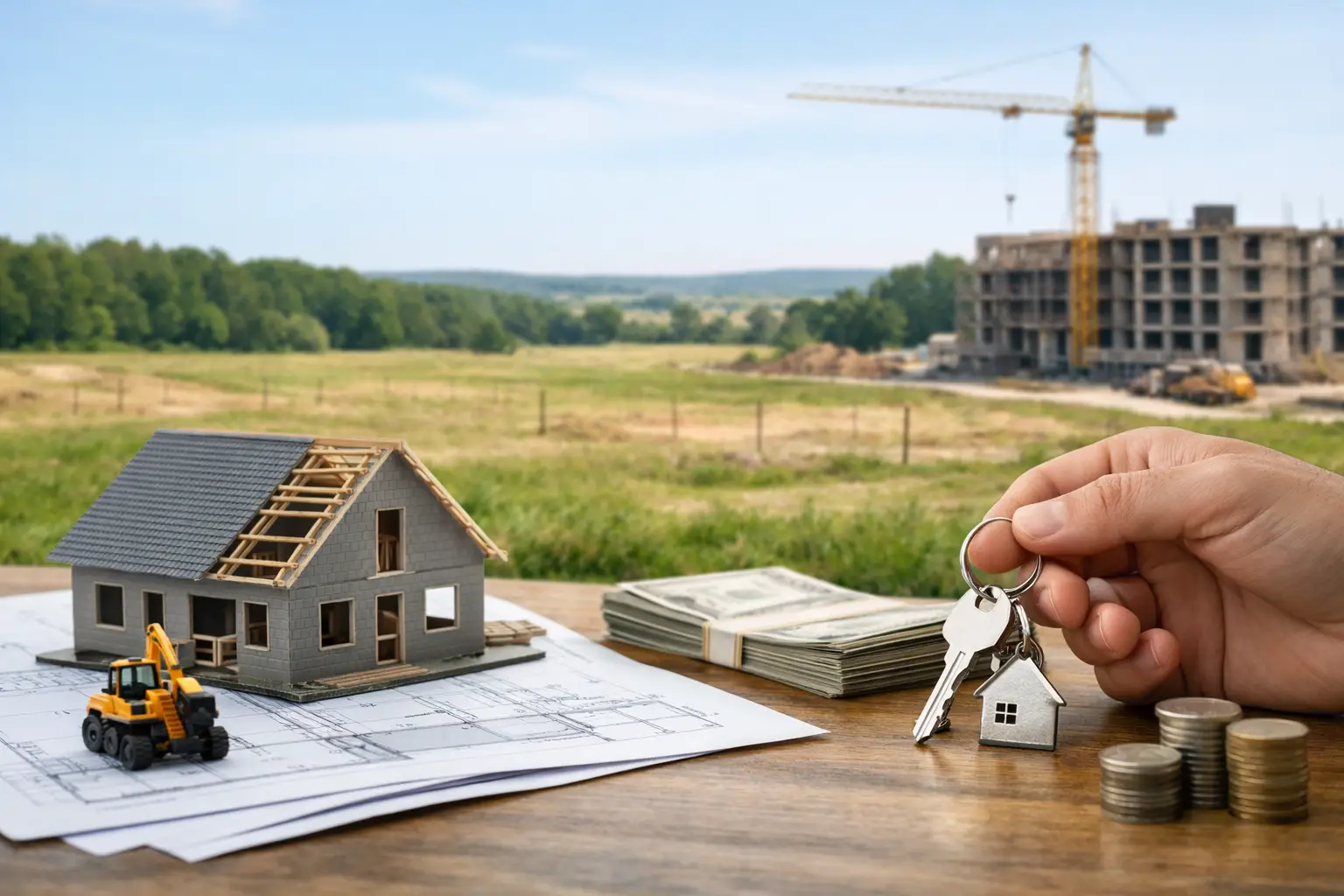
If you already own a lot - or you are trying to buy one before you build - the financing question usually shows up fast: can you get construction loan with land and use that property to strengthen the deal? In many cases, yes. But the answer depends on how the land is held, how much equity is in it, whether the project is ready, and which lender is reviewing the file.
This is where many borrowers lose time with general mortgage lenders. Construction financing is not just a bigger mortgage. It is a staged loan tied to plans, budget, timelines, permits, appraisal method, and borrower reserves. When land is part of the equation, the structure matters even more.
Can You Get a Construction Loan With Land Already Owned?
Yes, and in many cases owning the land can help.
If you already own the lot, lenders may allow the land value - and sometimes the equity in that land - to count toward your down payment or overall borrower contribution. That can reduce the amount of cash you need to bring in at closing. For borrowers who bought their lot years ago and have seen appreciation, this can be a major advantage.
That said, lenders do not treat all land the same. A free-and-clear lot is different from a lot with an existing loan balance. A build-ready infill parcel is different from raw land with limited access, no utilities, or uncertain entitlement status. The stronger the land position, the easier it is to structure the construction financing.
In California, this distinction matters a lot. Lenders want to understand whether the parcel is actually ready for a residential build, not just whether it has value on paper. Zoning, access, grading, utility availability, septic or sewer status, and permit progress can all affect approval.
Buying Land and Construction Together
If you do not own the land yet, you may still be able to finance both the lot purchase and the cost to build under one loan structure.
This is often the cleanest approach when timing works. Instead of buying land with one loan and then trying to refinance into a construction loan later, some borrowers use a single construction-to-permanent loan or a construction-only loan that includes the land acquisition. That can simplify underwriting and reduce the number of closings.
The key is readiness. If you are buying a lot but have no plans, no builder, and no budget, many lenders will consider the deal too early. If you have a defined project, preliminary plans, a realistic construction contract, and a clear path to permits, financing options improve significantly.
How Lenders Look at Land in a Construction Deal
Construction lenders are focused on risk, and land changes that risk profile.
First, they look at the value of the lot. Then they look at the total project cost, including hard costs, soft costs, contingency, and interest reserves if applicable. They also review the future value of the completed home, because many residential construction loans are underwritten in part against the as-completed appraised value.
This creates an important distinction. Some lenders are more conservative and base leverage heavily on cost. Others can be more flexible when the finished value supports the structure. That matters for borrowers building in higher-value California markets where construction costs are high but completed values may justify a stronger loan-to-value position.
They also review the land itself as collateral. If the lot has unusual issues - steep slope, coastal restrictions, wildfire exposure, easement problems, or limited comparable sales - underwriting can tighten. None of these issues automatically kill a deal, but they often require a lender that understands residential construction risk rather than a bank that only wants plain-vanilla transactions.
What Helps You Qualify
When borrowers ask can you get construction loan with land, the real question is usually what makes the file lendable.
A strong file starts with borrower profile. Credit still matters, but so do liquidity, reserves, income documentation, debt-to-income ratio, and experience level. If you are using a licensed general contractor, the lender will review that builder too. If you are an owner-builder, underwriting becomes more specialized and lender options narrow.
Project readiness is the next major factor. The more developed your plans are, the better. Lenders want to see a realistic scope of work, cost breakdown, timeline, and in many cases permit status or at least permit progress. An incomplete project package often leads to delays, lower leverage, or a declined file.
Equity in the land can be one of your strongest assets. If the lot is worth $400,000 and you own it free and clear, that equity may satisfy all or part of the down payment requirement, depending on the loan program. If there is a lien against the property, the remaining equity still may help, but the structure needs to account for payoff and total leverage.
One-Time Close vs Construction-Only
The best loan structure depends on your end goal.
A one-time close construction-to-permanent loan combines the construction phase and long-term mortgage into one transaction. This can reduce closing costs, limit requalification risk later, and give borrowers more certainty about the takeout financing. It is often a strong fit for owner-occupied primary residences.
A construction-only loan is shorter term and typically requires a refinance or sale once the build is complete. This option can make sense when the permanent financing will be placed later, when the borrower wants flexibility, or when the project does not fit permanent loan guidelines at the start.
If the land is already owned, either structure may work. If the land is being purchased at the same time, the choice depends on timeline, occupancy, borrower profile, and the lender's appetite for the full deal.
Common Problems That Derail Approval
The biggest issue is assuming land ownership alone is enough. It is not.
Borrowers are often surprised when a lender says no even though there is substantial land equity. Usually that happens because the plans are too preliminary, the budget is not credible, the builder is not approved, income cannot be documented to guideline, or the appraised finished value does not support the requested loan amount.
Another common problem is trying to use a general bank that does very little construction lending. Standard mortgage underwriting does not translate cleanly to draw schedules, builder review, permit timing, and as-completed valuation. A bank may like your credit and still struggle with your project.
Raw land is another challenge. If the parcel lacks utilities, paved access, or a clear path to build, lenders may classify the deal as more speculative. The farther the lot is from shovel-ready status, the fewer programs are likely to fit.
Why the Right Structure Matters More Than the Simple Answer
Yes, you can get a construction loan with land. But the better question is how to structure it so the loan actually closes with workable terms.
That may mean using the land equity in place of cash down. It may mean rolling lot purchase and construction into one transaction. It may mean choosing a lender that underwrites to finished value rather than stopping at cost. It may also mean adjusting the build budget, permit timing, or documentation package before submission.
For California borrowers, those details can change the result materially. Land values are higher, build costs are higher, and local entitlement issues can be more complex than in other markets. An experienced construction loan specialist can often identify financing paths that a general lender never presents.
If you are trying to build on land you own or buy, start with the actual structure of the deal - land value, payoff if any, plans, budget, builder, timeline, and exit strategy. That is what lenders will analyze, and that is where the right guidance can save months of frustration. California Construction Loans works with borrowers across the state to structure residential land and construction financing the way lenders actually underwrite it. If your project is real, the next smart move is to get your scenario reviewed before you spend more time guessing.


